Reask / An Riasc
Early Christian Site
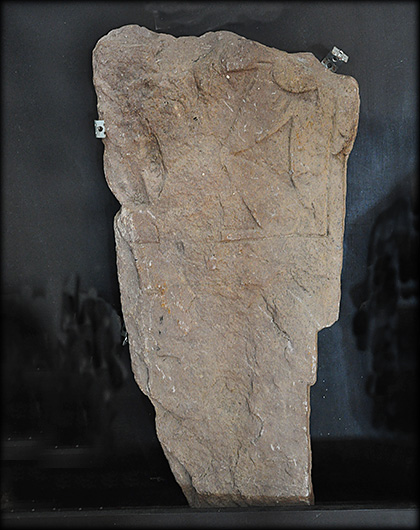
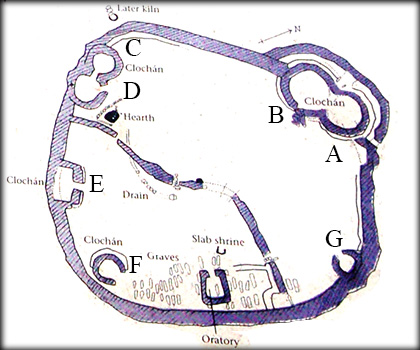
There is no historical record of an early ecclesiastical site at Reask, two pillars and evidence of the conjoined huts in the northern section of an enclosure led to the excavations that took place in the early nineteen seventies. These excavations revealed an oval shaped ecclesiastical enclosure with a cashel type wall that is 2.2 metres in width and about 1 metre high at its highest point. Inside the walls are the remains of several clochauns, a dry-stone oratory, a rectangular structure and two other circular huts. Excavations also revealed a cemetery with over 42 lintel graves. Also found were a number of Ceallunach graves, used for unbaptised children, suicide victims etc, who were refused a formal burial by the catholic Church. Scattered around the site were a number of cross slabs and pillar stones, about seven of these carved stones are still present on site, three are on display in West Kerry Museum in Ballyferriter and one is on display in the Stone Corridor in UCC.
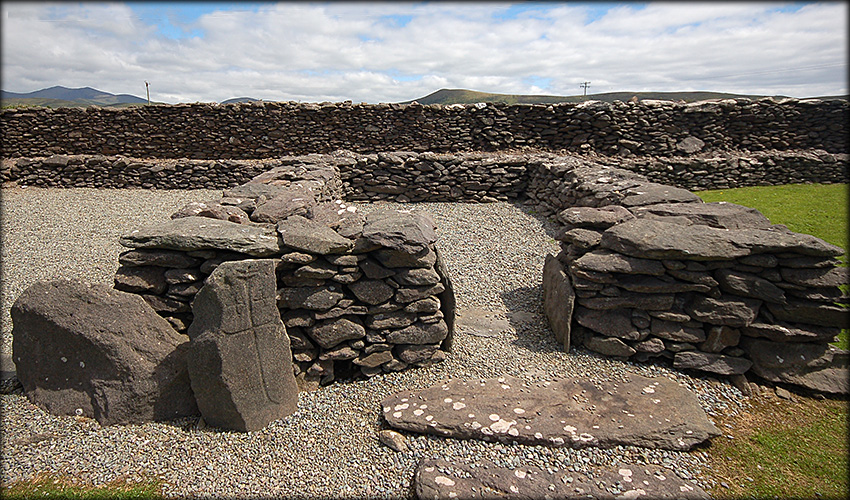
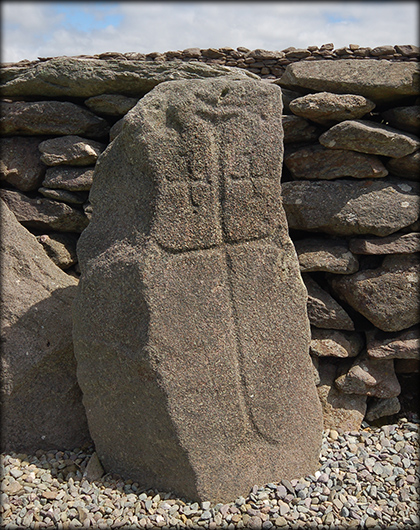
In the image above we can see the remains of a dry-stone oratory, this may have been similar to the boat-shaped oratory at Gallarus. Standing to the left of the entrance is stone B, it bears a large latin cross with bifurcated terminals and two small crosslets in the upper angles, it is 0.8metres in height, 0.4 metres wide and 0.2 metres thick. Pictured below left is a beautifully inscribed pillar stone decorated with a Greek cross in an inscribed circle with pendant spiral designs terminating in a pelta. This stone stands at 1.65 metres high and is just over half a metre wide. Below left is stone D, it appears to be broken at the top, it was probably decorated with a large cross, but only a small part of the decoration is now visible.
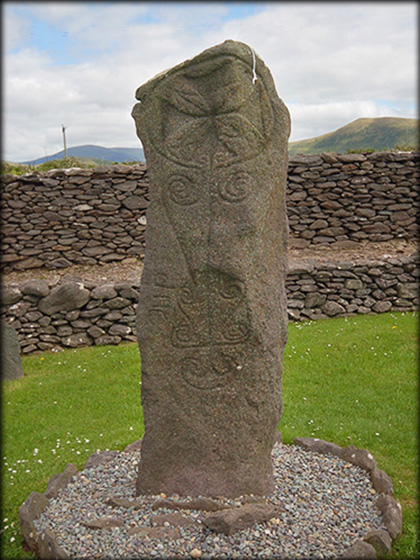
Stone A
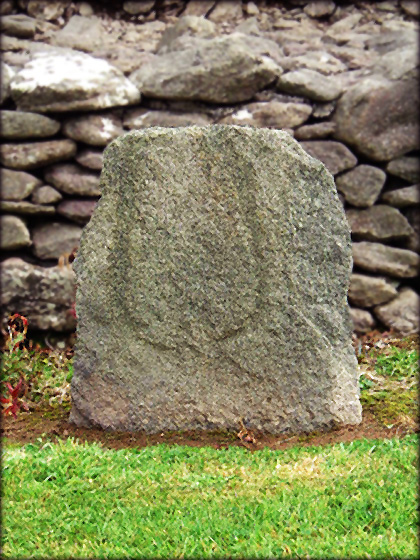
Stone J
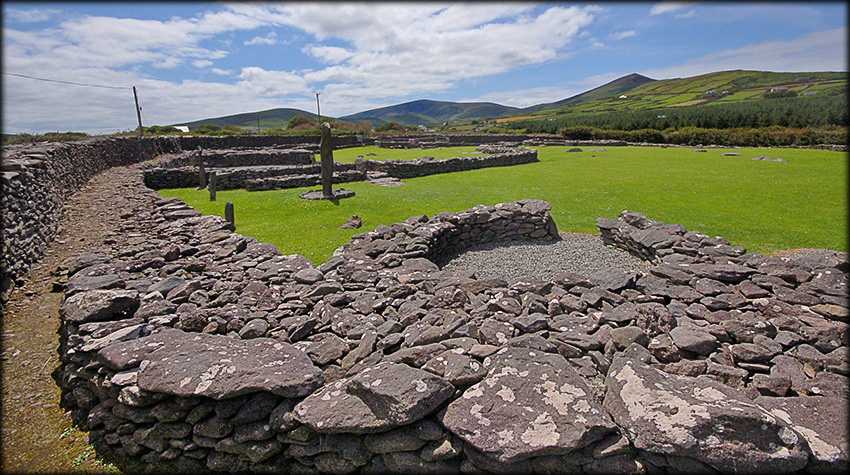
The image above was taken from the the ENE Looking across structure G, excavations suggest it may have been used for iron-working. The road to the extreme left is the field boundary. The large pillar stone A, can be seen off centre left. The three cross pillars to the left of A are stones J, D and I. Stone D is in the centre of the three it bears an inscribed cross on both sides. Below the latin cross on the west side the letters DNS for Dominus are inscribed. The east side also has a latin cross plus a series of dots, with the letters DNO for Domino. Stones E, G and H pictured below, are the stones on display at the museum in Ballyferriter.
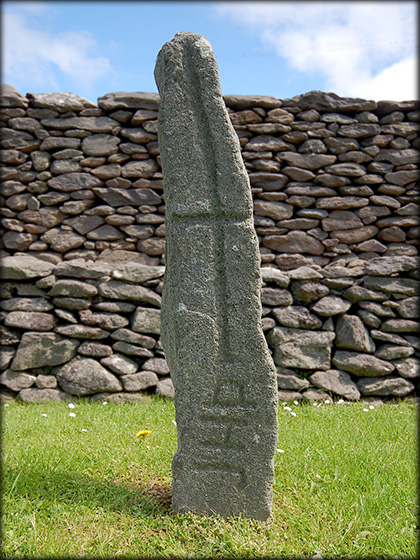
Stone D, west face
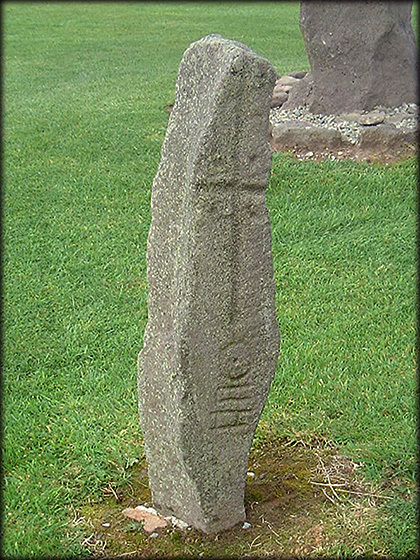
Stone D, east face
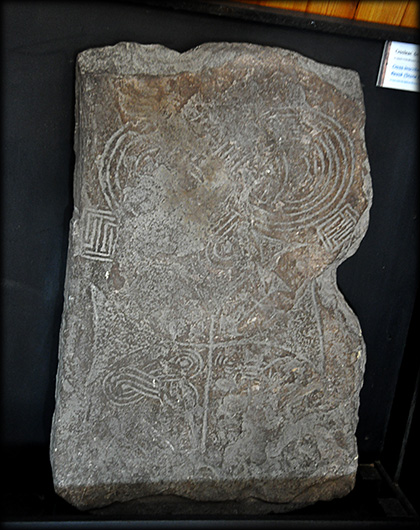
Stone E
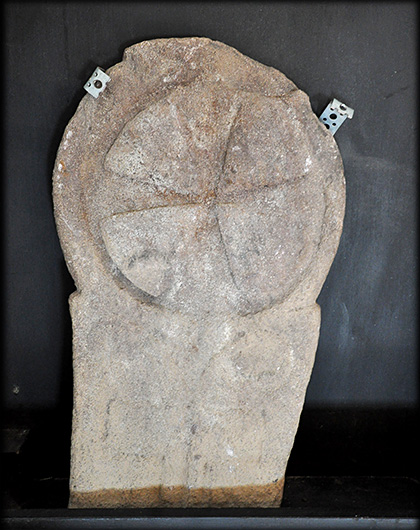
Stone G
Stone H
Stone B
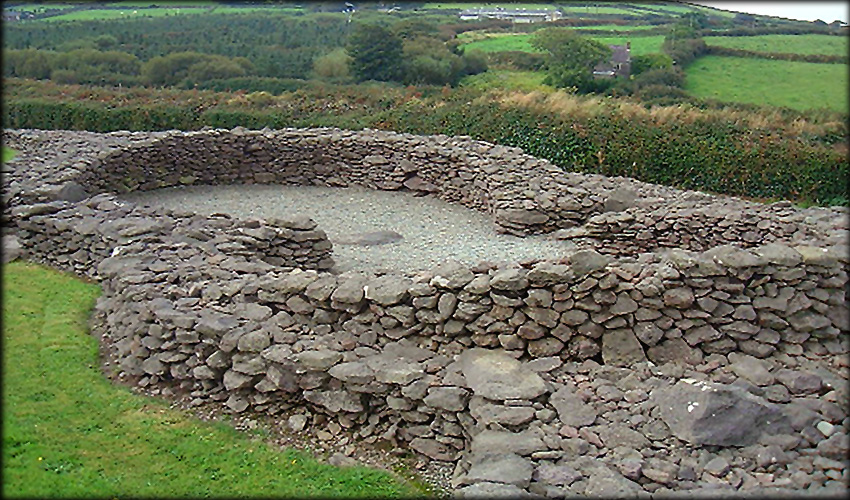
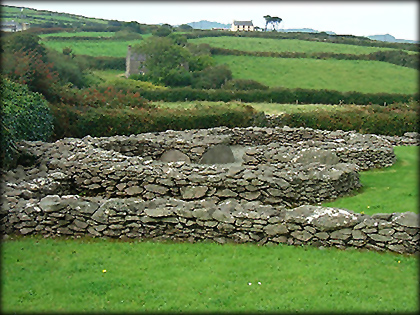
Clochauns A and B are conjoined in a figure eight plan, but are larger internally than Clochauns C and D, Clochaun A is 5 1/2 metres and B is 6 metres in diameter. These two huts and the stone oratory were linked with a paved pathway to an internal wall dividing the enclosure. Clochauns C and D are also conjoined in a figure of eight has large slabs set on end with dry stone walling on the outside. There is a jambstone on one side of the entrance and there is also a jambstone between clochauns C and D. The internal diameter of clochaun D is About 4 1/2 metres.To see a complete example of the clochaun at Caher Conor click here
Clochauns A and B
Clochauns C and D
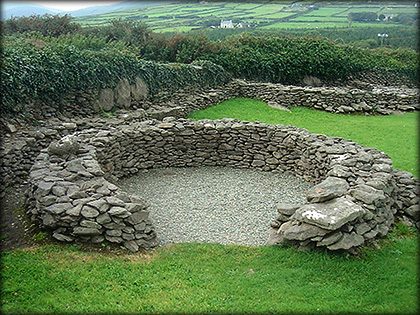
Clochaun F
Situated:Take the R559 east from Ballyferriter after 1 kilometre just after the left turn for Ballinrannig, take the next right turn then take the next left, the site is immediately on your right.
Discovery Map 70: Q 3666 0442. Last visit July 2011.
Longitude: 10° 23' 15" W
Latitude: 52° 10' 3" N
Photos: Jim Dempsey.
Ref: Fanning, T. “Excavation of an Early Christian Cemetery and Settlement at Reask, County Kerry.” Proceedings of the Royal Irish Academy. Section C: Archaeology, Celtic Studies, History, Linguistics, Literature, vol. 81C, 1981, pp. 67–172. JSTOR,
Ref: Cuppage, J. 1986 Corca Dhuibhne. Dingle Peninsula archaeological survey. Ballyferriter. Oidhreacht Chorca Dhuibhne.